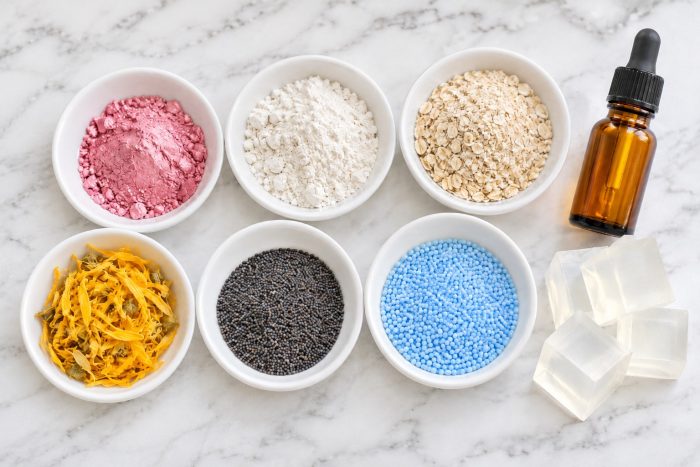
Melt and pour soap base is already finished soap. The lye step is done for you, which makes it safe and easy, but it also means the base is a balanced recipe. Every extra thing you stir in changes how the bar sets, lathers and lasts. A little goes a long way.
Here’s what you can safely add to melt and pour soap, how much to use, and what to leave out.
As an Amazon Associate I earn from qualifying purchases. Some links in this post are affiliate links. They cost you nothing extra and help support Koala Soap.
The Golden Rule: Add Small Amounts
Most problems with melt and pour (soft bars, sweating, weak lather, oily spots) come from adding too much. Start with the smallest amount below, make one test bar, and adjust next time. A small kitchen scale makes this much easier than guessing.
Fragrance Oils and Essential Oils
Use fragrance or essential oils made for soap. A common guideline is about 0.25 to 0.5 ounce per pound of base. More than that can make the soap soft, cause sweating or irritate skin. Check your supplier’s usage rate, because some oils are stronger than others.
Add scent after you take the base off the heat so it doesn’t evaporate. Vanilla-based scents turn soap brown over time, so use a vanilla stabilizer if you want the soap to stay white. You can find a good starter fragrance oil set here.
Color
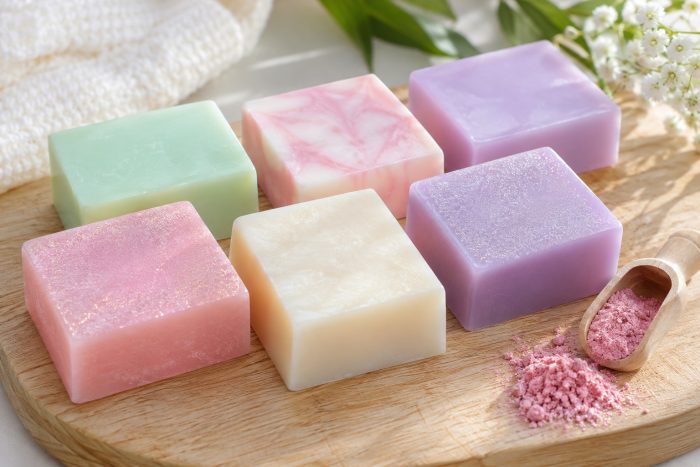
- Mica powder: the most popular choice. Mix about 1/4 teaspoon per pound with a little rubbing alcohol before stirring it in. Try mica powder or shimmery stardust mica.
- Liquid soap dyes: bright, easy to blend, and made for soap. A few drops go a long way. Try these liquid soap dyes.
- Titanium dioxide: turns clear base opaque white or makes pastel colors. Use a pinch mixed in alcohol. Here’s titanium dioxide.
Skip food coloring, crayons and candle dye. Here’s why in can you use food coloring in melt and pour soap.
Clays and Charcoal
- Kaolin clay: about 1 teaspoon per pound. It gives a silky feel and helps hold scent. Mix it with a little alcohol first to avoid clumps.
- Activated charcoal: about 1/2 teaspoon per pound for gray to black soap. Too much can make the lather gray.
See our oatmeal kaolin clay melt and pour soap for an example.
Oils and Butters
You can add shea butter, cocoa butter, olive oil, coconut oil or jojoba, but keep it to about 1 teaspoon to 1 tablespoon per pound. Too much oil makes soft, greasy bars with less lather. If you want a creamier bar, starting with a shea butter melt and pour base or goat milk base is easier than adding lots of oil.
Honey
Honey can go in melt and pour soap at about 1 teaspoon per pound. Add it when the base has cooled a bit, because honey can scorch and turn brown when it’s too hot. More honey makes soap sticky and more likely to sweat.
Exfoliants
- Oatmeal: ground or colloidal oats, about 1 to 2 tablespoons per pound. Whole oats feel scratchy and can grow mold.
- Poppy seeds: about 1 teaspoon per pound for a gentle scrub.
- Jojoba beads: colorful, gentle and great for clear soap.
- Salt and sugar: small amounts work, but both pull in moisture and can make bars sweat or feel grainy.
Pour exfoliants into slightly cooler base (thicker soap) so they stay suspended instead of sinking.
Dried Flowers and Botanicals
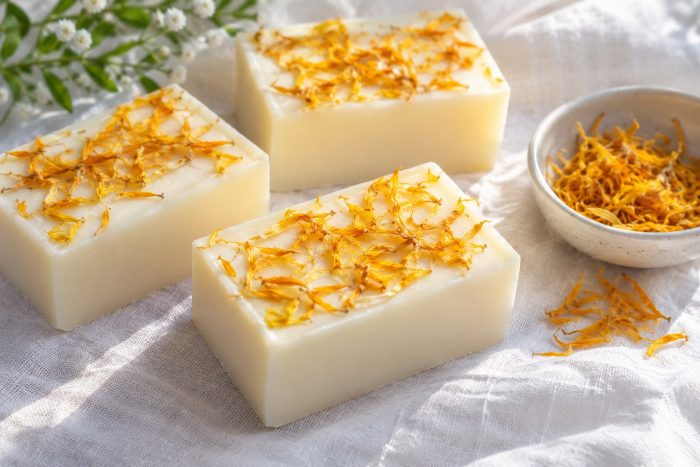
This is the one that surprises people. Most dried flowers turn brown or black inside melt and pour soap, especially lavender buds and rose petals. They can also look moldy over time. Here’s what works better:
- Sprinkle a few petals only on top of the bar, then spray with alcohol.
- Use calendula petals, which hold their color better than most.
- Make soap “flowers” with flower embeds instead.
Glitter
Use cosmetic-grade or bio glitter only. Craft glitter isn’t made for skin. A pinch on top or swirled into clear base is plenty.
What Not to Add to Melt and Pour Soap
- Extra water or milk (makes soft, sweaty soap that can spoil)
- Food coloring, crayons or candle dye
- Fresh fruit, fresh herbs or fresh flowers (they rot)
- Craft glitter
- Large amounts of any oil, butter, honey, salt or sugar
FAQ
How much fragrance oil do I add to melt and pour soap?
About 0.25 to 0.5 ounce per pound of base is a common starting point. Always check your fragrance supplier’s skin-safe usage rate.
Can I add essential oils to melt and pour soap?
Yes. Use skin-safe essential oils at or below the supplier’s usage rate, and add them after the base is off the heat.
Why did my soap get soft after adding oil?
The base is already balanced. Extra oil can’t turn into soap, so it softens the bar. Cut back to a teaspoon or two per pound.
Can you add tallow or beeswax to melt and pour soap?
Small amounts are possible, but both can make bars waxy, cloudy or less sudsy. A creamier base is the easier route.
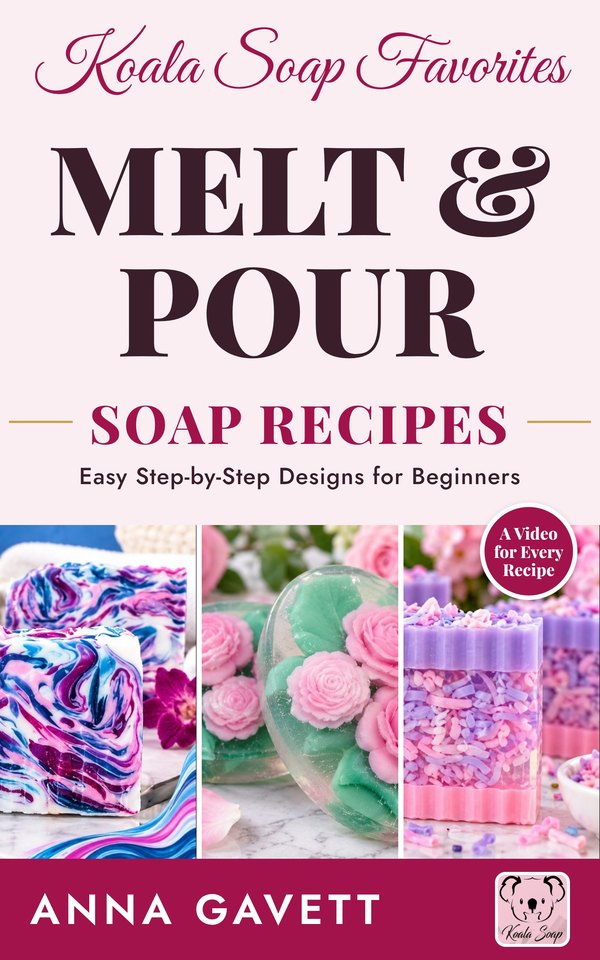
Love making soap? Get my book!
Koala Soap Favorites has 31 of my most-loved melt and pour designs with step-by-step photos, exact amounts and a video for every recipe. It makes a sweet gift for a crafty friend, too.
See it on AmazonLook inside the book →