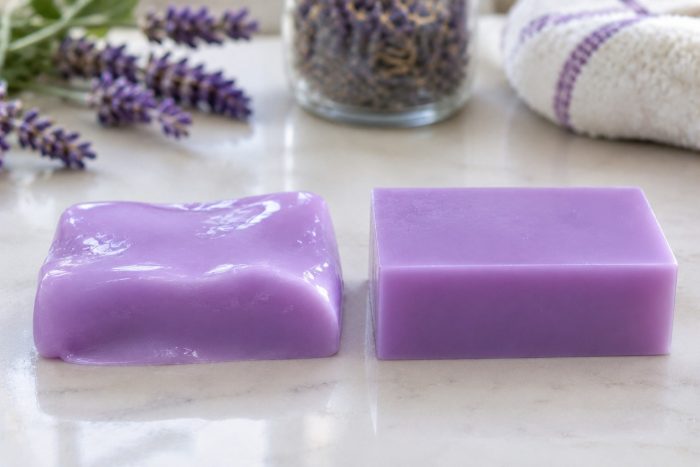
Melt and pour soap should pop out of the mold firm and smooth. If yours stays soft, dents with a fingernail or melts away quickly in the shower, something in the recipe or the room is working against it. Here’s what causes soft melt and pour soap and how to fix it.
As an Amazon Associate I earn from qualifying purchases. Some links in this post are affiliate links. They cost you nothing extra and help support Koala Soap.
Common Causes of Soft Melt and Pour Soap
- Too much fragrance. Going over about 0.5 ounce per pound softens many bases.
- Too many oils or butters. The base is already balanced. Extra oil can’t turn into soap, so it softens the bar.
- Water, milk, honey or other liquids. Liquids make bars softer and more likely to sweat.
- Humidity. Glycerin pulls moisture from the air, and the surface feels soft and tacky.
- Not enough time. Thick bars and large loaves can take several hours to set all the way through.
- The base itself. Some bases, especially very moisturizing or clear ones, are naturally softer than others.
How to Make Melt and Pour Soap Harder
- Cut back additives. Keep fragrance at or below the supplier’s rate, and oils and butters to about 1 teaspoon per pound. See what you can add to melt and pour soap.
- Don’t add water or milk. If you want milk soap, start with a goat milk base instead.
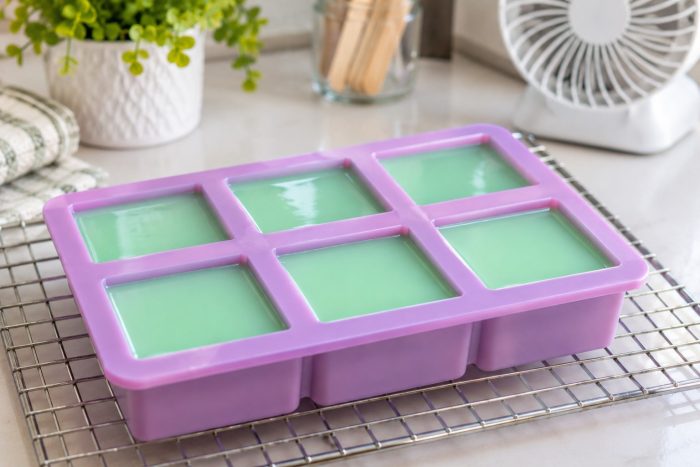
- Give it time. Let bars sit at room temperature for several hours, or overnight for loaves, before unmolding.
- Use the freezer to unmold, not to set. After the soap has set at room temperature, 10 to 15 minutes in the freezer can help a stubborn bar release. Let it come back to room temperature before wrapping.
- Store it dry and wrapped. Wrap bars as soon as they’re cool so they don’t pull in moisture. Here’s how to stop sweating.
- Try a different base. If one base is always soft for you, test another. Our clear base comparison compares a few.
How to Make Melt and Pour Soap Last Longer
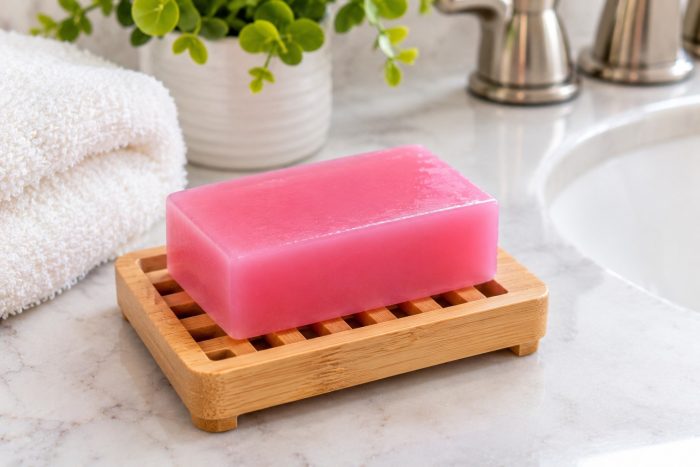
- Use a soap dish that drains, so bars don’t sit in water.
- Keep bars out of the shower stream between uses.
- Cut smaller bars or guest soaps for the shower and save big bars for the sink.
- Keep extra bars wrapped until you need them.
Soft vs. Rubbery Soap
Soft soap usually has too much added liquid or oil. Rubbery soap is usually overheated. Heating base too hot or too many times cooks off water and leaves a stretchy, rubbery bar. See the temperature guide.
FAQ
Can I fix soap that’s already soft?
Let it sit unwrapped in a cool, dry room for a day or two, then wrap it. If it’s very soft from too many additives, remelt it with some fresh base to dilute the extras.
Does melt and pour soap need to cure to harden?
No. It doesn’t cure like cold process soap. It’s firm once it’s fully cool.
Why is my soap hard on the outside and soft in the middle?
Large or thick bars cool from the outside in. Give them more time before unmolding.
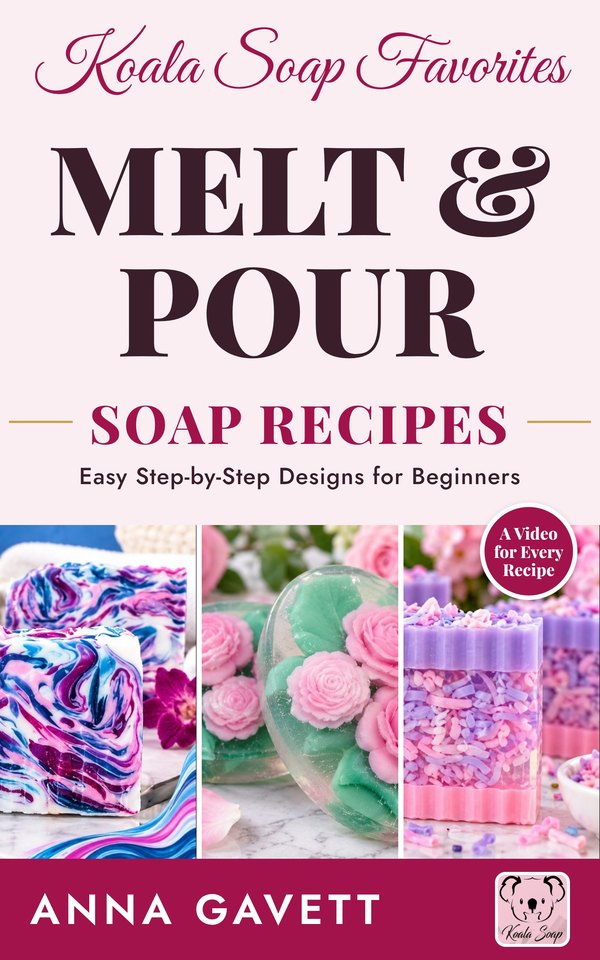
Love making soap? Get my book!
Koala Soap Favorites has 31 of my most-loved melt and pour designs with step-by-step photos, exact amounts and a video for every recipe. It makes a sweet gift for a crafty friend, too.
See it on AmazonLook inside the book →